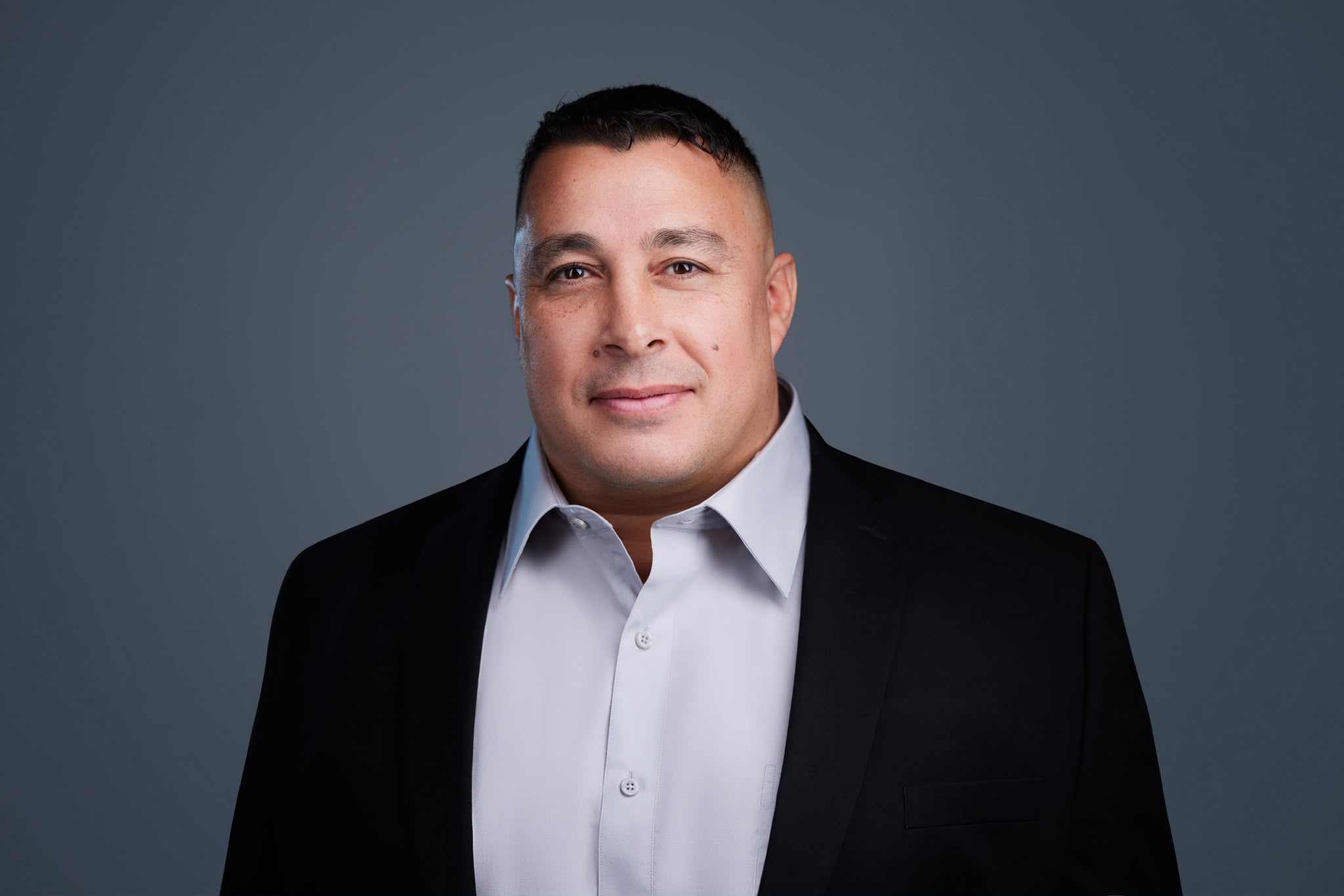
“Rugby gave me a place to belong at the start of my journey. Education, in parallel, gave me another identity. That helped me balance everything: my passion for rugby and the obstacles and difficulties that inevitably came and went. Retirement forced me to reinvent myself. And entrepreneurship gave me a place where I could apply everything rugby taught me.”
Hervé Mazzocco is a rare breed of high-achiever who has mastered two completely different worlds: elite professional sports and cutting-edge environmental science.
Best known to rugby fans for representing top-tier European clubs like Gloucester Rugby and ASM Clermont Auvergne, he pursued a rigorous academic path throughout his playing days, earning a PhD in Hydrology and Environmental Modelling.
Fast forward to today, and Herve has successfully channelled the lessons learnt in rugby into green tech entrepreneurship—collaborating with NASA and founding innovative ventures like SHyNe Ltd to advance green hydrogen infrastructure.
In this exclusive interview, we sit down with the rugby star-turned eco-pioneer to discuss his extraordinary career transition, the intersection of sports and science, and what advice he would give current professional players about preparing for life beyond the game.
GRPF: Thank you for taking the time to talk to the Global Rugby Players Foundation, Hervé. Can you tell us a bit about your early life and how you came across rugby?
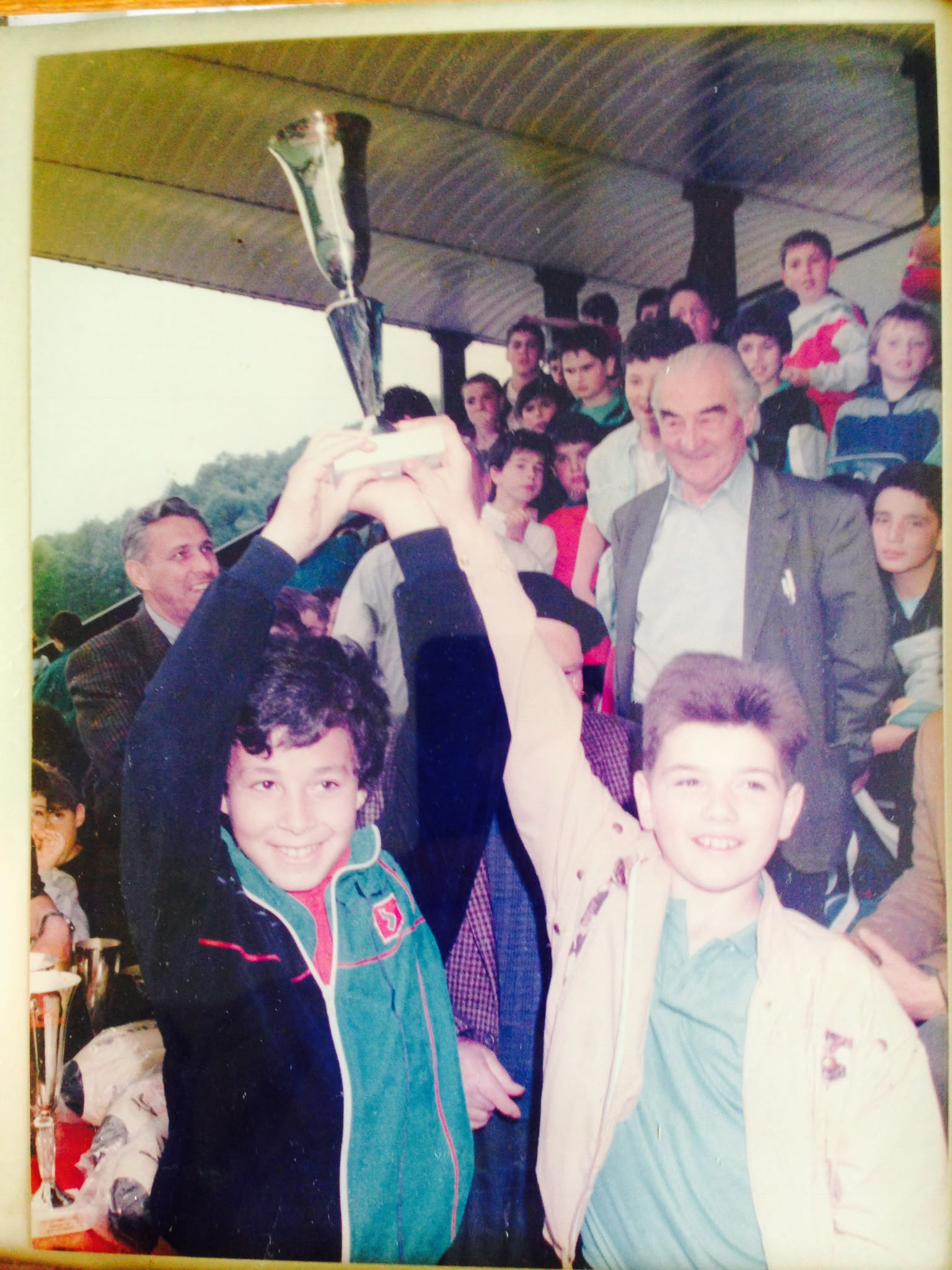
HM: “I was born in Ivory Coast in West Africa, and we moved to France when I was six. I was the new kid in a small village, and it was pretty difficult to fit in. I had one guy who talked to me, Stephane, and he was one of my first friends. Then one day he said, ‘Hey, are you coming to rugby on Saturday?’ I had no idea what rugby was. I asked my grandma, who seemed very excited about it. She started naming Serge Blanco, Jean Pierre Rives and Jerome Gallion. So I was convinced, and I went to the first training session the next day. The rest is history.”
GRPF: And how did your relationship with rugby grow after that first training session?
HM: “Well, rugby came into my life by accident, but it became the place where I found friendship and belonging.
“The journey began in that small village. In high school, I was in a programme called ‘Sports-études’, where we received far more training than in a traditional local club. I played for the regional teams and made the French Under-18 squad while still at the small local club.
“My dad had a simple rule for me. He said that if I finished high school, I could choose the team I’d like to play for. After finishing high school, I decided to go to Clermont. At Clermont, I played in the academy and then made it into the professional squad. I had limited opportunities to play. It was a different era with great players in my position, like Olivier Magne.
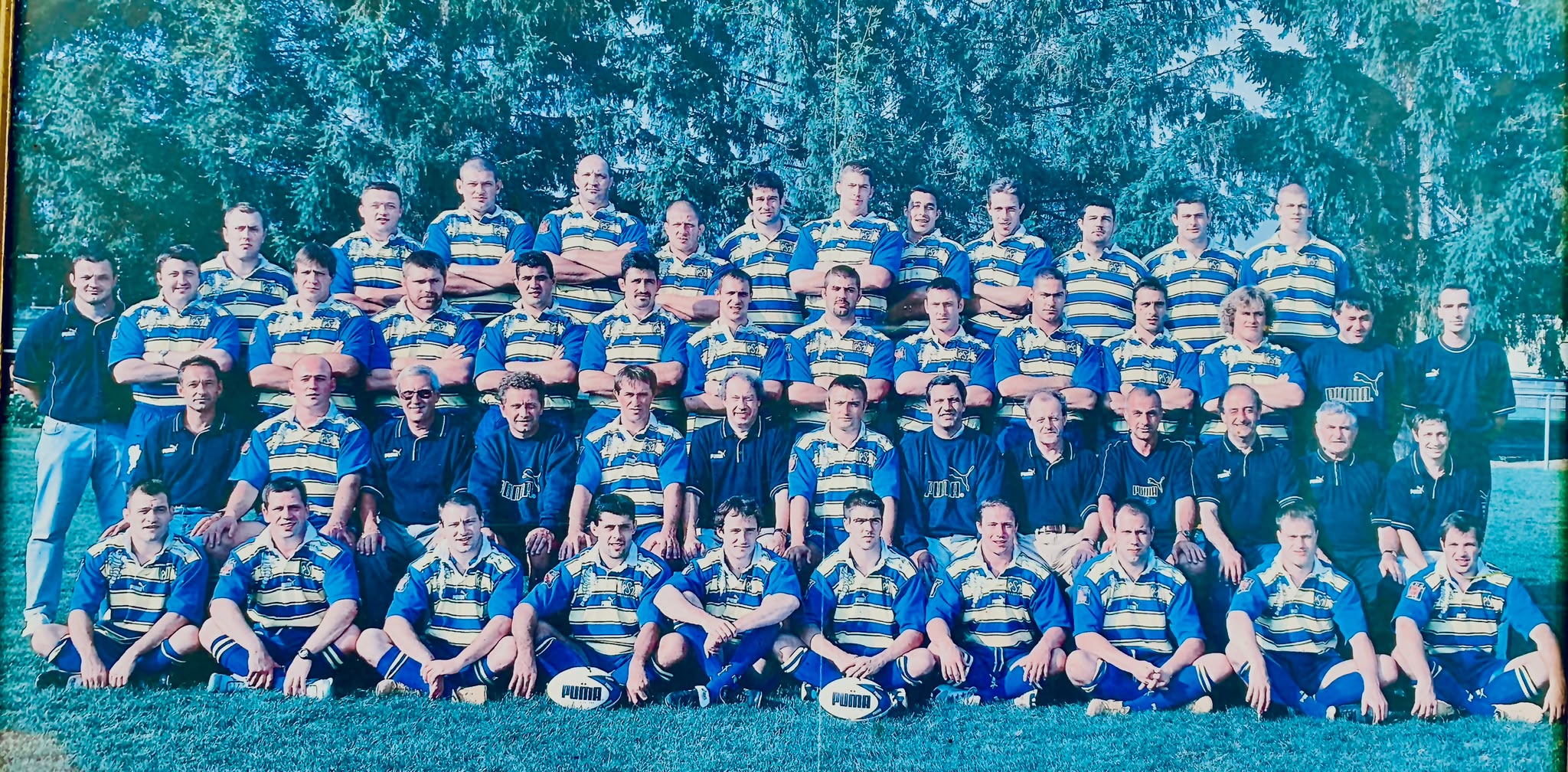
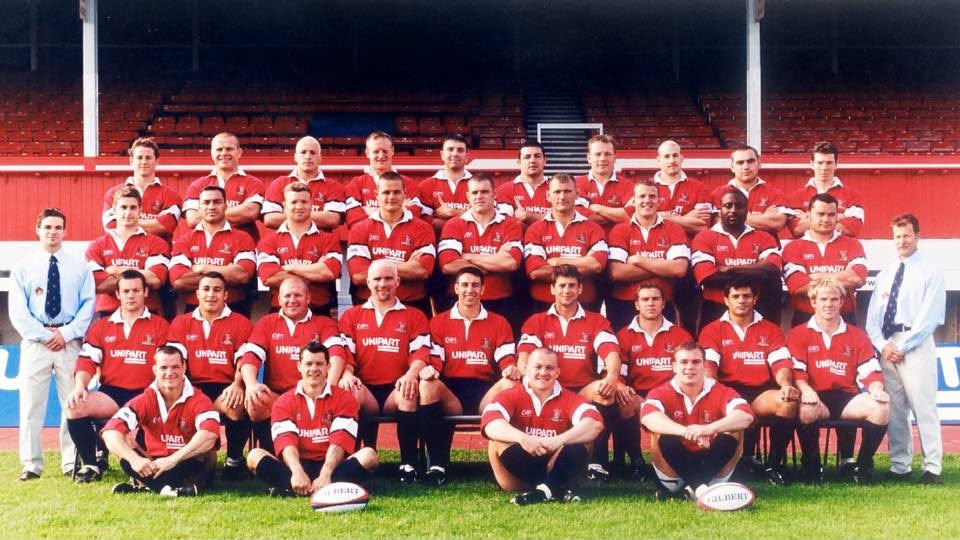
“While I was at Clermont, I completed my Master’s degree towards the end of my time there and had the incredible opportunity to move to Gloucester, thanks to Philippe Saint-André. That was a major turning point for me. I think it opened up my horizons. A new country, a new language, a new culture, and an incredible experience. I played with and against childhood idols.
“After that, I decided to go to Padova in Italy. That was another turning point, because while in Padova I was able to enter the PhD programme. So rugby really took me from a tiny French village into an international life.”
GRPF: What was it like to balance full-time rugby with a PhD?
HM: “So being a professional rugby player didn’t feel like the most important part of my career. I’ve always balanced rugby and education. I’ve always had two identities, athlete and student, and it was great because it brought balance. At the same time, if I’m completely honest, it was a double-edged sword, in the sense that sometimes rugby was my excuse for average grades at school, and sometimes school was my excuse for lower performance on the rugby field.
“So, I feel that the true professional rugby player experience was in Gloucester, where I focused almost entirely on rugby. That had positive aspects. It’s probably the fittest I have ever been during my rugby career. At the same time, when I wasn’t playing, it brought a lot of frustration, doubt, and uncertainty, because I had a lot of time to dwell on it.
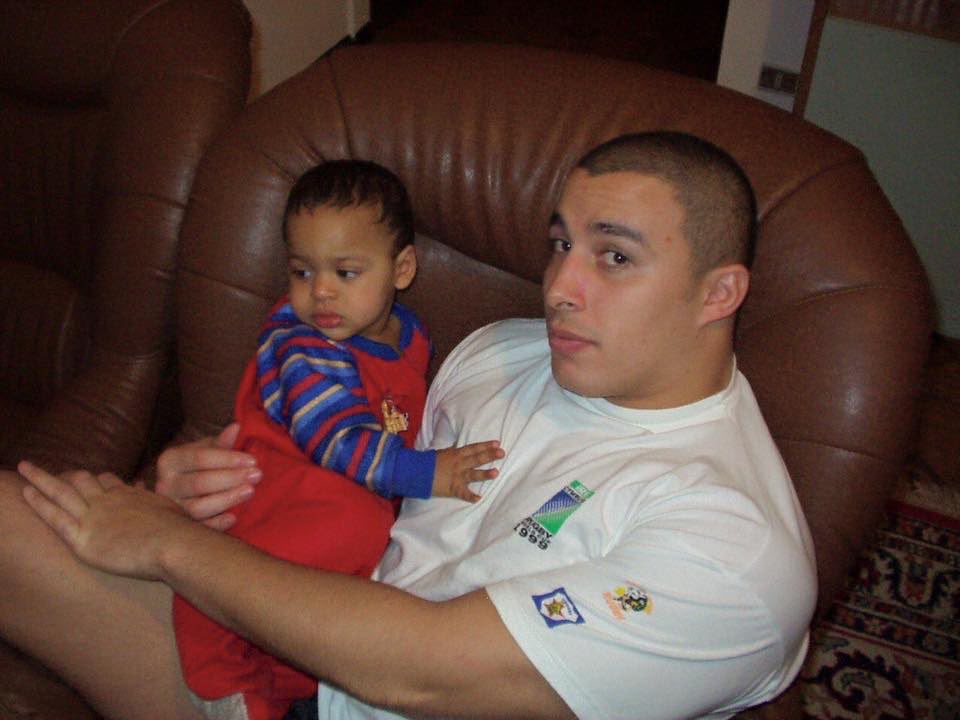
“So I went back to Padova, and I felt it re-created that balance because I had research, rugby, and started a family. That’s when I realised I was probably a much better rugby player, and definitely a happier person, when rugby wasn’t my entire identity.”
GRPF: Would it be fair to say that you considered your education to be equally important as your playing career, even when you were a full-time pro?
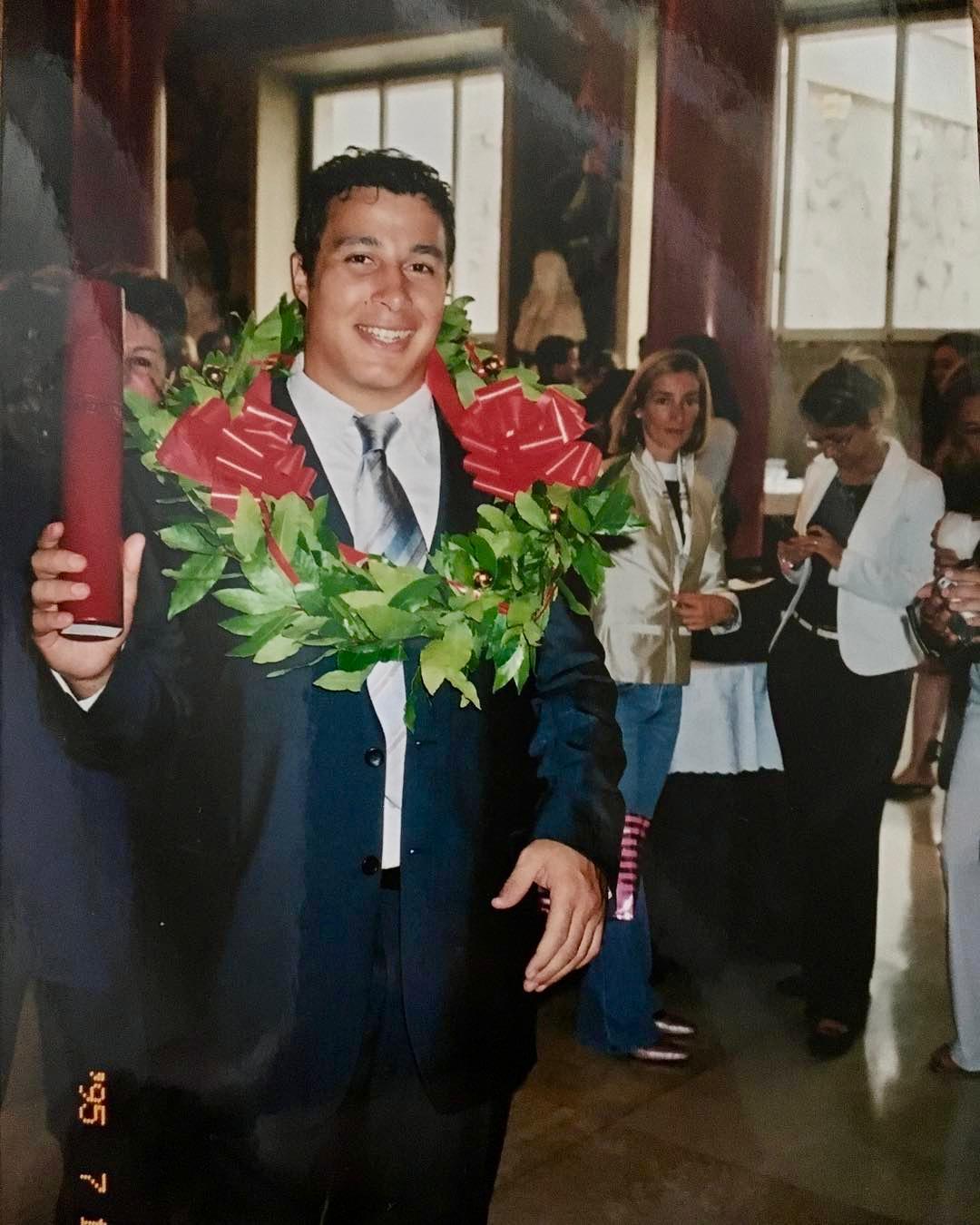
HM: “So education really was never a Plan B: my dad established that framework pretty early on. I stayed in my local club, despite having opportunities with bigger clubs, and I had to graduate from high school first. As soon as I went to Clermont, I enrolled in intensive maths and physics courses. Eventually, I got a Master’s degree while I was still playing with Clermont.
“I continued studying throughout my career. When I was in Padova, I actually got a PhD scholarship and worked on research with NASA. I studied the planet Mars, and was always juggling and balancing professional rugby with studies. I think I always knew that rugby had an expiration date and that it was better to be prepared.”
GPRF: And when that expiration date eventually arrived, how did you take it?
HM: “So the short answer is that it was rough. You know, often, retirement from a professional sports career can be described as a loss. A lot of things change suddenly. You go from training seven or eight times a week to almost nothing. You lose your structure and routine. You replace physical activity with desk work. At least for me, that was the case. I gained a lot of weight in the first year. My physical identity changed. You know, that little recognition we would get also disappeared, and rugby was also a very important emotional and physical outlet. So that was gone as well.
“So, insecurity, identity questions, depression, all of that hits you. I think I was well prepared. I was already doing fascinating work at NASA and with the CNRS, but we cannot underestimate the emotional impact of losing your identity as an athlete. And that’s something that’s worth saying.”
GRPF: “How did your entrepreneurial journey start?”
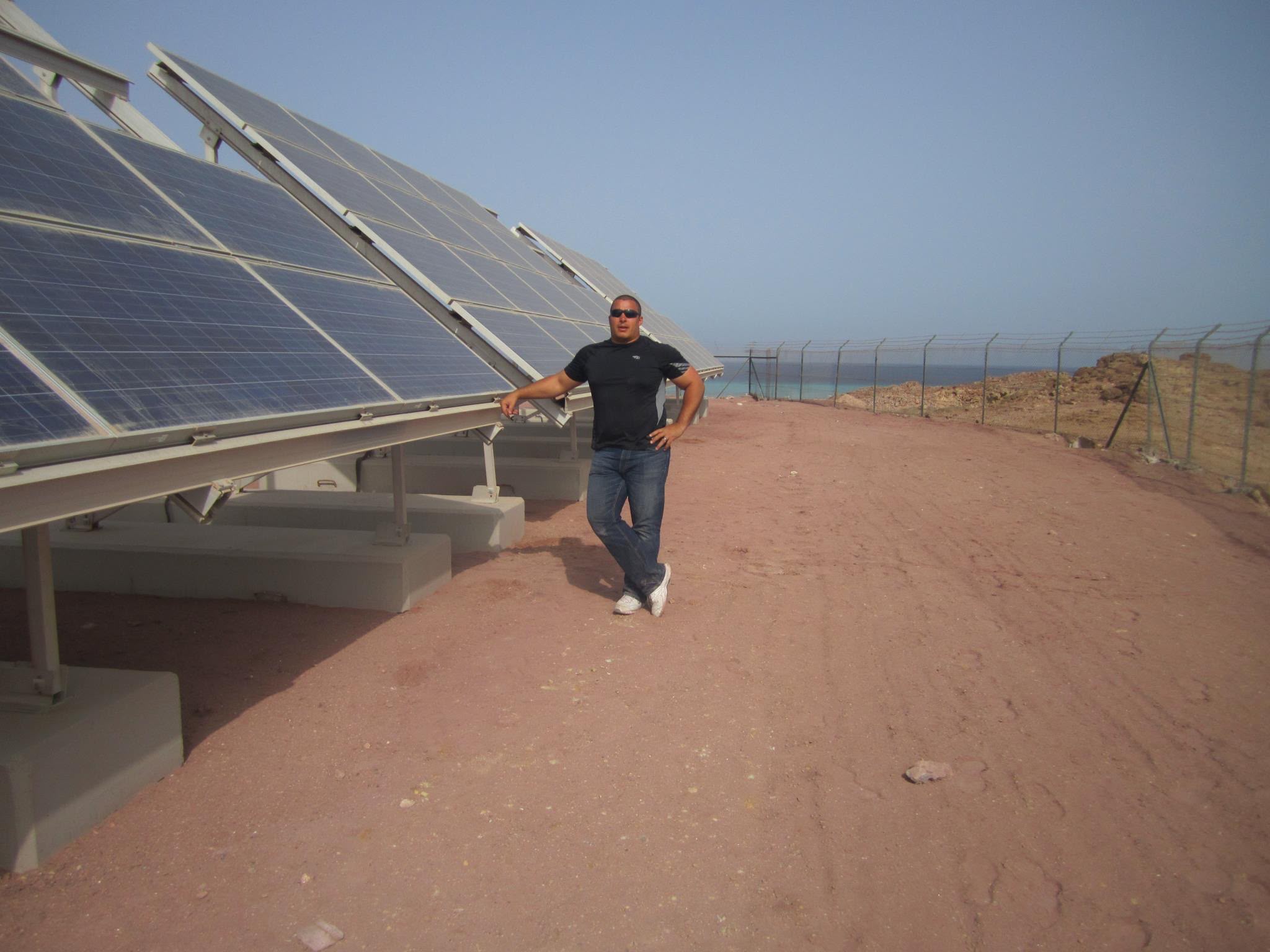
HM: “As much as I enjoyed working at NASA and studying Mars, I quickly realised academia wasn’t for me. I declined an assistant professorship in France. I wanted to build, to have an impact, and to take responsibility. I met the Energy Minister of Congo. During the meeting, people were discussing diesel generators for remote villages, and I proposed solar and batteries. That was the beginning of my 20-year clean energy journey.
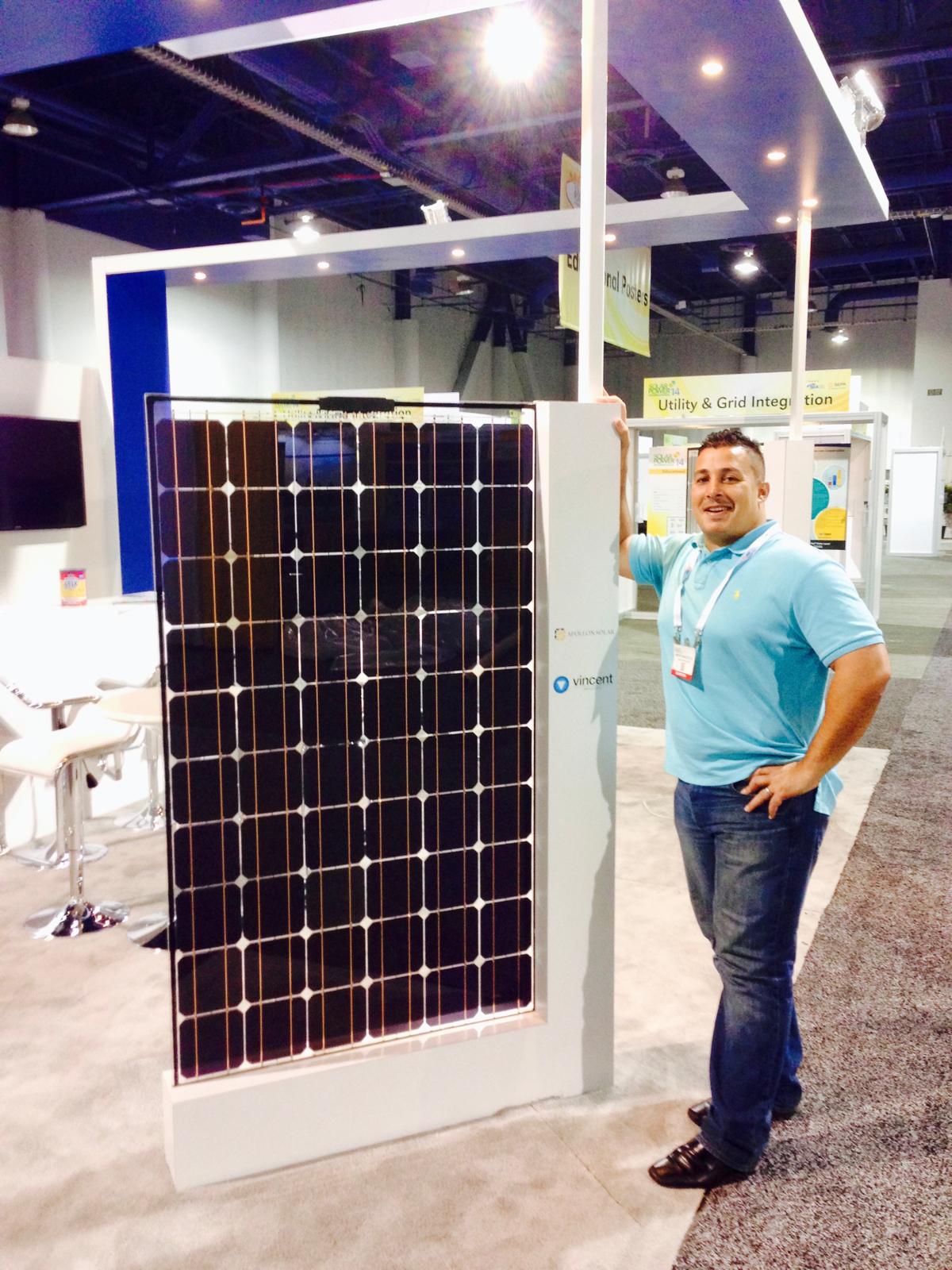
“I moved to the US. I started a solar company. I worked on a major casino resort, doing solar and sustainability work and building microgrids. But it wasn’t always, you know, ‘going up’. There was a recession after 2008. To reinvent myself, I started working in the remote, off-grid telecom industry, doing projects internationally, and more microgrids in the Middle East and in Africa.
“More recently, I’ve pivoted to hydrogen technology. I was involved in the Neom project in Saudi Arabia and deployed the first hydrogen station there. I did a lot of vehicle testing with hydrogen buses and trucks. Today, I am the co-founder and CTO of a US clean energy startup based in Phoenix.
“Throughout my career, I have been involved in deploying over hundreds of megawatts of solar and gigawatt-hours of storage. I have projects in very exotic countries across Africa and the Middle East.
“So, yeah, it’s been a pretty rich experience. I’ve enjoyed having such an impact.”
GRPF: What have been some of the highlights of your life as an entrepreneur?
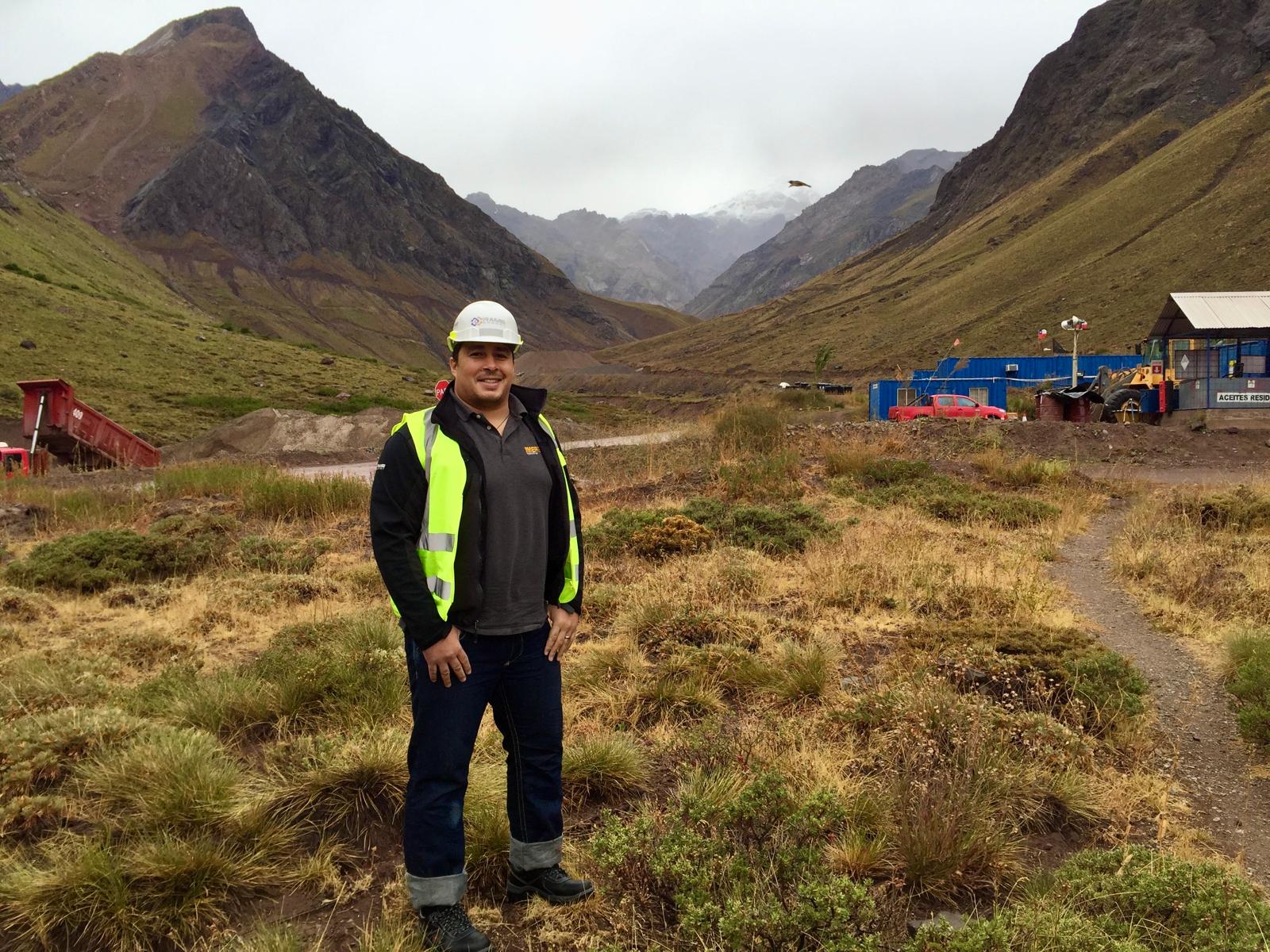
HM: “Life after rugby has been pretty good. I had the chance to study Mars at NASA. That was incredible in itself. I’ve worked on first-of-a-kind international renewable energy projects in many countries. I got to interact with and speak to elected officials, including presidents. I met Barack Obama to talk about clean energy twice. I’ve worked on the Neom project and the Giga project in Saudi Arabia, which included the largest hydrogen infrastructure project in the world. I’ve built businesses. So, yeah, I’ve been very blessed in my life after rugby, for sure.”
GRPF: And looking back at your life on and off the pitch, what tools did rugby give you that helped shape the person you are today?
HM: “So rugby gave me a lot. The first word that comes to mind is resilience. Ups and downs are a constant, you know. You miss a tackle: you’re on to the next task. You knock the ball on: next task. You don’t want to dwell on mistakes. And I think I’ve really taken that into my entrepreneurial life.
“The next thing that comes to mind, obviously, is teamwork. We rely on our teammates, and so it’s all about sacrificing for others, trusting the players beside you, and showing leadership. In every situation, you need to make a split-second decision under pressure. And so I think that all of that translates well into what is required to be successful when you build a startup and when you’re an entrepreneur.”
GRPF: And finally, Hervé, what advice would you give to current players in terms of preparing for life beyond the game?
HM: “I want to acknowledge first that rugby today is very different. It’s definitely a lot more demanding. And I certainly don’t pretend that my path would work for everyone. And not everyone needs to get a Master’s degree or a PhD. However, I do think that everyone should develop another interest. Whether it’s education, business, technology, art, or whatever they are passionate about.
“Learning new skills is very important, and I think that you should use that recovery time intelligently. Online education creates huge opportunities nowadays; you know, if you find a business that you’re interested in, you can go shadow someone once a week to understand how that organisation works and operates.
“A rugby career is short, and there’s a lot of life remaining after, so developing new interests is essential for a healthy transition.”
Hervé Mazzocco was speaking exclusively to the Global Rugby Players Foundation. You can follow Hervé on Instagram [@hervemazzocco] and on LinkedIn [Dr. Herve Gregoire-Mazzocco].